

Protecting Land Before & After the Fire.
Fuel reduction, defensible space, and firebreaks to lower wildfire risk — and rapid, careful rehabilitation when fire does strike.

From Prevention to Recovery
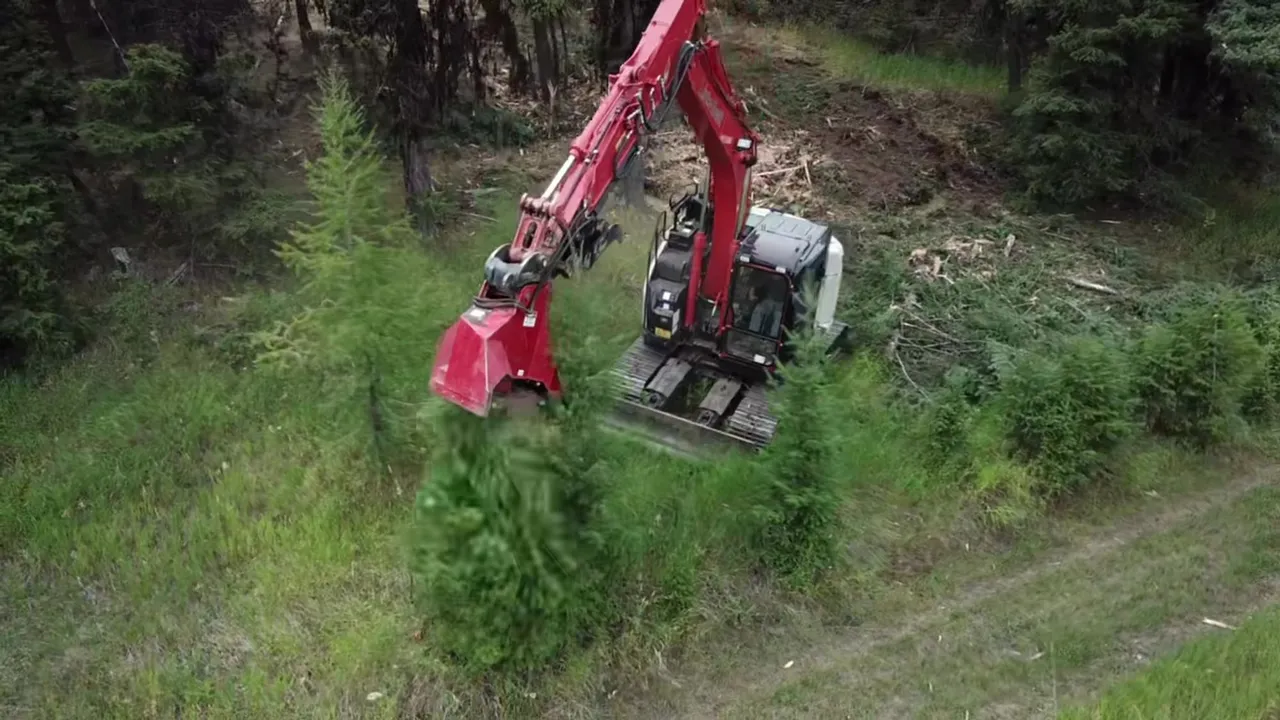
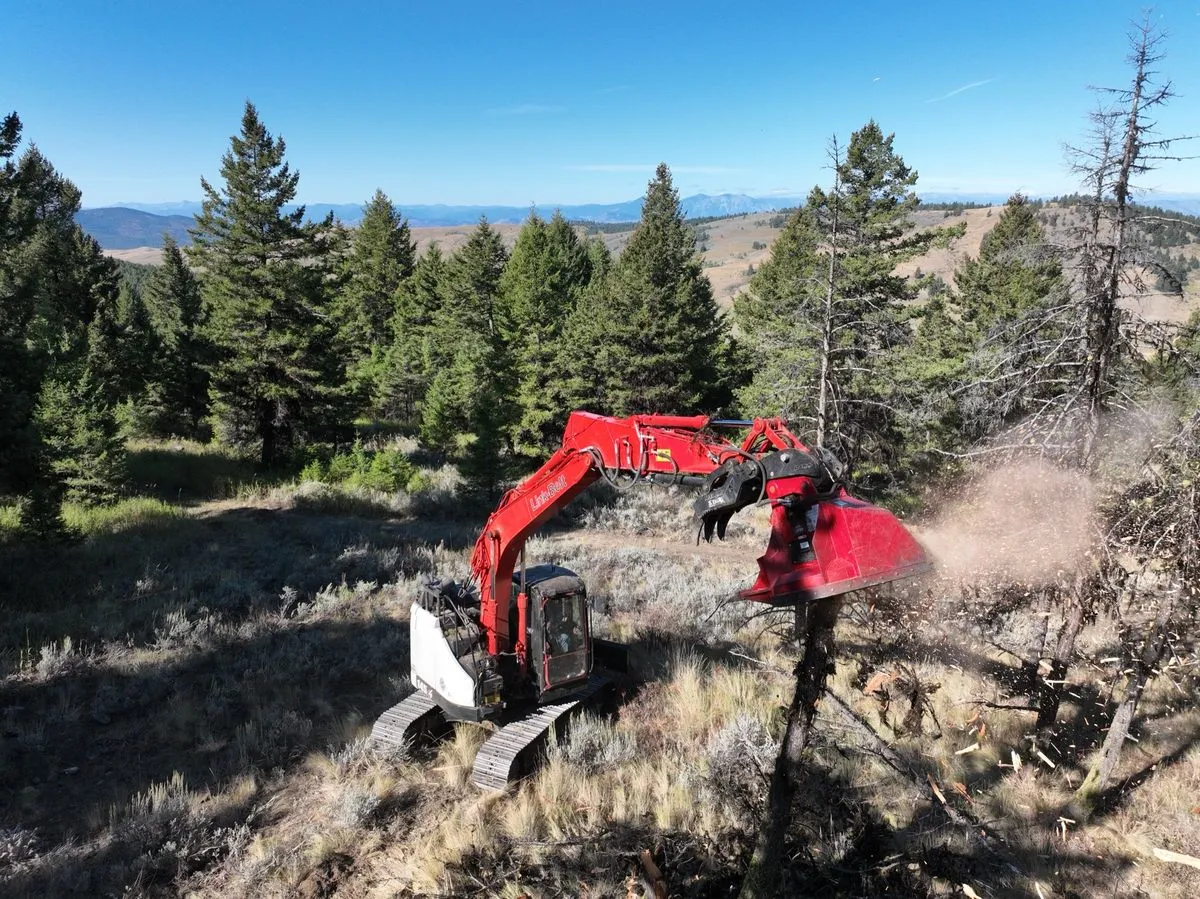
The most effective wildfire response starts before the fire. We reduce fuel loads, clear defensible space around homes and outbuildings, and cut firebreaks that give your property — and the crews defending it — a real chance when fire moves through.
If a fire does reach your land, the period right after is critical — burned soil is vulnerable to erosion, and delays in stabilization can turn a bad situation worse before the next rain. We move quickly to clear debris, assess soil condition, and put stabilization measures in place to protect what's left.
From there, we work with you on a longer-term rehabilitation plan — restoring forage, addressing erosion risk, and helping your land recover its productivity instead of just cleaning up and leaving.
Recent Fire Mitigation Projects
Fuel reduction ahead of fire season, and recovery work after it.
Ready to Get Started?
Tell us about your property and timeline, and we'll give you a straight answer.
Fire Mitigation & Rehabilitation FAQs
What does fire mitigation involve?+
Mitigation reduces the fuel a wildfire needs to spread — thinning brush and ladder fuels, clearing defensible space around homes and outbuildings, and cutting firebreaks along property lines. We assess your property on-site and recommend the measures that make the biggest difference.
How soon after a fire can you start work?+
As soon as it's safe to access the property — we prioritize erosion and debris response quickly, since the first weeks after a fire are the most critical for soil stabilization.
Do you work with insurance or agency assessments?+
Yes — we can coordinate our scope of work alongside insurance adjusters or agency assessments where applicable.
Will my land fully recover?+
Most rangeland can recover well with the right stabilization and forage restoration plan — recovery timelines vary based on burn severity and soil condition, which we assess on-site.